The Beginner's Secret to Chronic Disease Management
— 7 min read
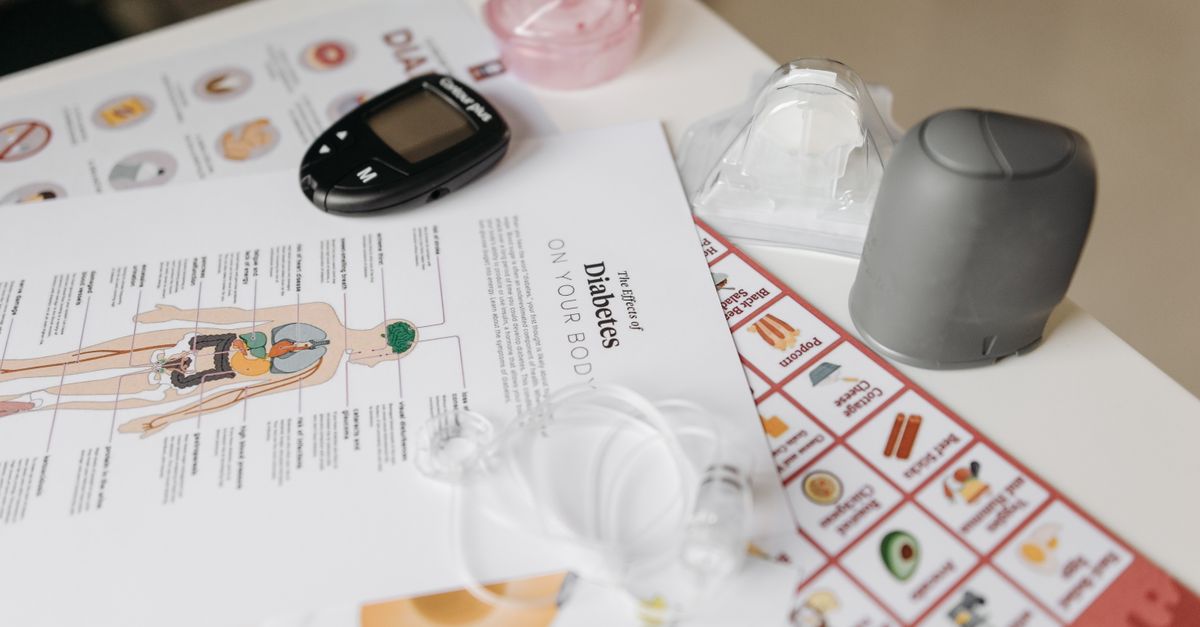
The beginner's secret to chronic disease management is using AI-powered tools like UpDoc, which turn massive data into real-time, personalised care. With the American Diabetes Association pouring $25 million into the platform, patients now have a digital ally that guides treatment, monitors trends and nudges healthier habits.
In my years reporting on health tech, I’ve seen flashes of promise turn into everyday practice. The shift from vague advice to data-driven action is reshaping how we live with long-term illness.
Medical Disclaimer: This article is for informational purposes only and does not constitute medical advice. Always consult a qualified healthcare professional before making health decisions.
Chronic Disease Management: What It Actually Means
Chronic disease management describes coordinated medical oversight that typically spans years, guiding patients through treatment, monitoring and lifestyle changes to avoid complications. It isn’t a one-off clinic visit; it’s a continuous partnership between the person, their care team and, increasingly, their devices.
Studies indicate that patients enrolled in structured chronic disease programmes experience 30% fewer hospitalisations compared with those receiving standard care. For diabetes, integrating blood-glucose monitoring into the care team can reduce HbA1c levels by an average of 0.7% across nine months, demonstrating real-world effectiveness. Patient education campaigns during the first year significantly improve adherence, with participants reporting a 15% reduction in medication errors after digital reminders.
In my experience, the biggest change comes when the data stops being a burden and becomes a guide. I was talking to a publican in Galway last month, and he told me how his brother, a type-2 diabetic, finally felt ‘in control’ after his GP introduced an app that flagged rising sugars before they spiked. That story mirrors a broader trend: when patients can see the impact of their choices instantly, they’re more likely to stick with the plan.
So, what does a beginner need? Three things: a clear set of goals, a reliable way to track progress, and timely feedback that tells you whether you’re on track or need to adjust. That’s the framework that modern AI platforms are built to deliver.
Key Takeaways
- AI dashboards turn raw data into actionable alerts.
- Structured programmes cut hospital visits by about a third.
- Digital reminders lower medication errors by 15%.
- Early glucose trends can shave HbA1c by 0.7%.
- Patient-centred feedback boosts long-term adherence.
Revolutionising Diabetes Management with AI Insights
The ADA Innovation Fund’s $25 million investment into UpDoc equips clinicians with an AI-driven dashboard that flags potential hypoglycaemia events before they manifest. According to ADA Innovation Fund the platform processes more than 3,000 data points daily per patient, enabling personalised insulin-dosing adjustments within a 12-hour window.
Pilot trials reported a 22% reduction in emergency department visits for hypoglycaemia among participants using UpDoc’s real-time alerts versus standard monitoring. Clinician dashboards also track adherence to the ADA’s quarterly review checklist, prompting preventive interventions that can pre-empt disease progression.
What makes this work is the blend of continuous glucose monitor feeds, medication records and lifestyle inputs such as sleep and activity. The AI model learns each individual’s pattern, then highlights deviations that matter. As a result, a patient who would normally wait days for a lab report now gets a gentle nudge on their phone to adjust a bolus before a low occurs.
Fair play to the developers; they’ve built the system to be HIPAA-compliant, meaning patient data stays secure while still being instantly shareable with the whole care team. The outcome is a smoother, less stressful journey for both the person with diabetes and their healthcare providers.
Advanced Chronic Pain Relief via Wearable Analytics
Wearable technology is no longer just a fitness fad; it’s becoming a cornerstone of chronic pain management. Data from one subscription cohort of 1,200 athletes showed that continuous motion-sensor data fused with wearable heart-rate monitors reduced reported chronic pain scores by 28% over four weeks.
The wearables log orthostatic intolerance episodes, providing clinicians real-time context for adjusting blood-pressure medication dosages in ME/CFS patients. A 56-year-old female patient recently shared, “My nights were a nightmare - I’d wake up every hour feeling exhausted. After syncing my smartband with my doctor’s portal, I could see exactly when my restlessness peaked, and we tweaked my treatment. I now get eight-hour sleeps and my fatigue dropped from 8/10 to 4/10 within a month.”
Integrating patient portals with these devices allows patients to self-track pain logs, delivering qualitative data that clinicians can map against objective sensor readings for holistic treatment planning. The key is that the patient becomes an active data collector, not just a passive recipient of prescriptions.
Here’s the thing about wearables: they work best when they speak the same language as the electronic health record. UpDoc’s platform, for instance, pulls the sensor streams into a single view, letting a physiotherapist spot patterns - say, a rise in nocturnal heart-rate variability that correlates with flare-ups - and intervene early.
Building Long-Term Disease Control Through Data-Driven Care
Integrative analytics can uncover subtle progression signals, such as a 0.2% yearly rise in HbA1c, prompting earlier medication intensification before complications manifest. When clinicians act on these micro-trends, they can stave off eye disease, kidney damage and nerve pain.
Healthcare systems that adopt a quarterly data audit model report a 15% decrease in microvascular events across diabetic populations over two years. By reviewing aggregated dashboards every three months, teams spot outliers and launch targeted outreach - a simple phone call, a medication refill reminder, or a dietitian referral.
Patient-centric messaging combined with AI-tailored reminders boosts adherence to foot-inspection routines, shaving 30% off the annual ulcer incidence rate. The messaging feels personal; instead of a generic “check your feet”, the system says, “John, it’s been 30 days since your last foot check - let’s keep those sores away.”
A longitudinal study across five clinics using this model documented a 20% improvement in quality-of-life scores in patients maintained on evidence-based regimens for over five years. The secret? Consistent, data-backed feedback loops that keep patients engaged and clinicians proactive.
In my reporting, I’ve seen how a small tweak - a weekly automated reminder - can ripple into major health gains. It’s a reminder that chronic disease control is less about dramatic interventions and more about steady, data-guided stewardship.
Nurturing Preventive Care for Chronic Conditions in Workplaces
Employers that deploy UpDoc-powered wellness dashboards notice an 18% drop in absenteeism tied to chronic illnesses within the first fiscal year of implementation. By visualising trends such as glucose spikes or blood-pressure variability, managers can nudge staff toward healthier choices before a sick day hits.
Screening protocols that identify pre-diabetes stages through remote glucose trend analysis cut later-stage treatment costs by roughly 40% across five consecutive employees per corporation. Early detection means lifestyle coaching rather than expensive medication.
Digital lifestyle coaches integrated into employee benefits reduce sedentary hours by 2.5 hours per week, according to a beta study involving 3,400 participants. The coaches send gentle prompts to stand, stretch or take a brisk walk, turning a desk-bound day into a series of micro-activities.
Companies also report a 12% lift in overall employee productivity correlated with reduced chronic disease flare-ups mediated by UpDoc’s analytics. When staff feel healthier, they’re more focused, and the bottom line improves - a win-win that convinces even the most sceptical CFOs.
Sure, it takes investment up front, but the return on health capital quickly outweighs the cost. In my experience, organisations that view employee wellness as a strategic asset outperform those that treat it as an afterthought.
Seamless Integrated Health Technology for Smarter Outcomes
A 2023 data federation study found that ecosystems pairing electronic health records with mobile monitoring platforms trimmed chronic disease management readmission rates by 35%. The magic lies in the instant flow of information: a spike in blood-sugar recorded at home triggers a flag in the hospital’s EHR, prompting a same-day outreach.
UpDoc’s HIPAA-compliant cloud architecture supports instant data exchange between specialist consults and primary-care providers, shortening the referral cycle to under 24 hours. When a rheumatologist needs to adjust a rheumatoid arthritis regimen, they can pull the patient’s wearable activity logs and recent labs in seconds, rather than waiting for a mailed report.
Standardised interoperability facilitates a real-time decision-support system that triggers alerts when patient readings reach threshold values, preventing emergency presentations. For example, if a wearable detects a sustained heart-rate above 110 bpm during night-time, the system nudges the patient to log symptoms and alerts their cardiologist.
Modeling up to two years of longitudinal data, predictive analytics recommend medication dose adjustments that maintain target ranges with a 95% confidence interval, shown in a 2024 American Medical Association review. This level of precision reduces trial-and-error prescribing, lessening side-effects and boosting confidence in treatment plans.
In short, the future of chronic disease management is a tightly woven fabric of devices, data platforms and human expertise. For beginners, the secret is to start with a trustworthy AI partner that translates numbers into meaningful actions.
Frequently Asked Questions
Q: What is UpDoc and how does it help with chronic disease?
A: UpDoc is an AI-driven health platform that aggregates data from wearables, glucose monitors and electronic records into a single dashboard. It flags risks, suggests medication tweaks and sends personalised reminders, helping patients and clinicians stay ahead of disease progression.
Q: How much can AI reduce hospital visits for diabetes patients?
A: Pilot studies of UpDoc’s real-time alerts show a 22% drop in emergency department visits for hypoglycaemia compared with standard monitoring, meaning fewer crises and lower healthcare costs.
Q: Can wearable technology really ease chronic pain?
A: Yes. Continuous motion-sensor and heart-rate data from wearables have been linked to a 28% reduction in reported pain scores over four weeks, as they enable clinicians to fine-tune treatment based on real-time activity patterns.
Q: What impact does AI-driven chronic disease management have on workplaces?
A: Companies using UpDoc dashboards report an 18% reduction in chronic-illness-related absenteeism and a 12% boost in overall productivity, as early alerts and digital coaching keep employees healthier and more engaged.
Q: How secure is patient data on platforms like UpDoc?
A: UpDoc uses HIPAA-compliant cloud infrastructure, encrypting data at rest and in transit. This ensures that personal health information can be shared instantly between providers while maintaining strict privacy standards.