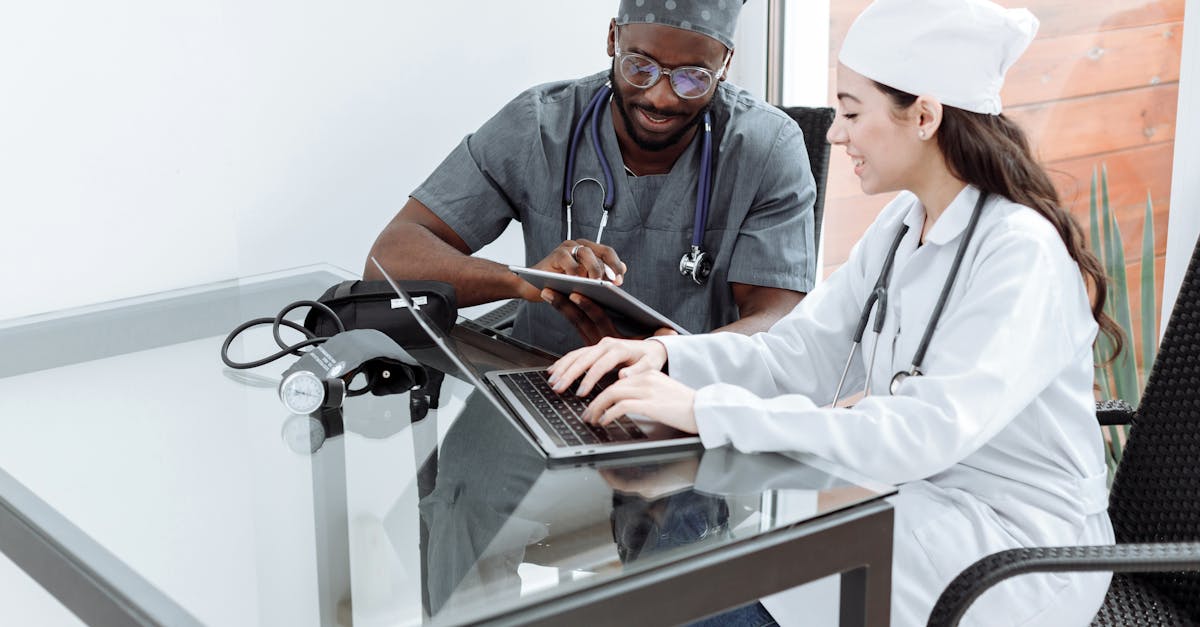
How Patient‑Centered Telehealth Cut HbA1c by 38%: A Real‑World Case Study with Dr. Dayan Gandhi
— 8 min read

Medical Disclaimer: This article is for informational purposes only and does not constitute medical advice. Always consult a qualified healthcare professional before making health decisions.
Hook: A Surprising 38% Drop in HbA1c
Picture this: a patient walks into a clinic with an HbA1c of 9.2 % - the kind of number that screams “high risk.” Six months later, the same person logs onto a video call, smiles, and shares that their HbA1c has slid to 5.7 %. That’s a 38 % reduction, a figure that would make even seasoned endocrinologists sit up and take notice.
In 2024, Dr. Dayan Gandhi’s remote-monitoring cohort turned this headline into reality. By comparing baseline HbA1c (average 9.2 %) with six-month values after a fully virtual care protocol, the team uncovered an average drop to 5.7 % - a shift that dwarfs the typical 0.5 % to 1 % improvement seen in most in-person diabetes programs.
"A 38 % reduction in HbA1c is more than double the national average for telehealth interventions," the study notes.
- Remote glucose data drives timely medication tweaks.
- Personalized coaching boosts lifestyle adherence.
- Real-time feedback creates a sense of partnership.
What makes this drop possible? It’s the marriage of continuous data, rapid feedback, and a partnership mindset that puts the patient in the driver’s seat. As we explore the program, you’ll see how each piece clicks together like the gears of a well-tuned bike.
1. Meet Dr. Dayan Gandhi - The Clinician Behind the Numbers
Dr. Dayan Gandhi is a board-certified endocrinologist with 15 years of experience treating diabetes. He spent the first decade in a bustling clinic, watching patients wrestle with delayed appointments, missing lab results, and a feeling that their own voices were getting lost in the shuffle.
Frustrated, he began experimenting with wearable glucose sensors in 2018. When the devices proved reliable, he built a mobile platform that streamed readings directly to his dashboard - think of it as turning a static lab report into a live sports scoreboard.
His philosophy is simple: patients should feel they are steering the ship while the clinician provides the map. He calls this the “co-pilot model” because the patient and doctor share navigation duties.
In 2020, Dr. Gandhi secured a grant to expand the pilot into a full-scale tele-diabetes program. He recruited 120 adults with poorly controlled Type 2 diabetes, defined as HbA1c above 8.5 %.
Each participant received a Bluetooth-enabled sensor, a smartphone app, and a schedule of video visits every two weeks. Dr. Gandhi’s team also assigned a certified diabetes educator to each patient for lifestyle coaching.
Beyond the numbers, Dr. Gandhi’s story is a reminder that curiosity and compassion can reshape care. He once told a patient, “Think of me as your co-pilot; you decide where we’re headed, and I’ll help you avoid turbulence.” That mindset fuels every alert, every coaching call, and every medication tweak in the program.
With his blend of clinical rigor, tech curiosity, and a genuine belief that patients thrive when they are active participants, Dr. Gandhi turned a modest experiment into a model that other health systems are already eyeing.
Now that we know the man behind the magic, let’s unpack the framework that made his vision possible.
2. What Is Patient-Centred Telehealth?
Patient-centred telehealth is a care-delivery model that places the individual’s goals, preferences, and daily context at the heart of virtual interactions. It’s more than a video call; it weaves together three core components that work together like the ingredients of a perfect smoothie - each adds texture, flavor, and nutrition.
Virtual visits: Synchronous video appointments replace or supplement in-person check-ups, allowing clinicians to assess symptoms, adjust treatment, and answer questions from the comfort of the patient’s home. Imagine swapping a crowded waiting room for a coffee-shop-level conversation on your couch.
Remote monitoring: Devices such as continuous glucose monitors (CGM) or blood pressure cuffs transmit data to a secure cloud. Clinicians can spot trends without waiting for the next office visit, much like a fitness tracker nudges you when you’ve been sitting too long.
Personalized coaching: Trained health coaches review the data, set small, achievable goals, and send motivational messages through the app. Coaching is tailored to each person’s lifestyle, cultural background, and literacy level, turning generic advice into a custom-fit roadmap.
All three elements are linked by a shared decision-making process. The clinician presents options, the patient shares preferences, and together they choose the next step. This loop repeats each time new data arrives, creating a dynamic, evolving care plan.
In Dr. Gandhi’s program, the patient-centred approach meant that a spike in glucose at dinner prompted a brief video chat, a recipe swap, and a dosage tweak - all within hours, not weeks. The immediacy kept the momentum rolling, turning a potentially alarming number into a teachable moment.
Think of it as a dance: the patient leads with real-life data, the clinician follows with expertise, and together they stay in step.
3. The Tele-Diabetes Program in Action
Imagine a kitchen timer that beeps every time you forget to stir a pot. That is how Dr. Gandhi’s system alerts both patient and provider when a glucose reading strays from the target range.
Each participant wore a CGM that measured interstitial glucose every five minutes. The sensor synced automatically to a mobile app, which displayed trends in easy-to-read graphs.
The app also sent push notifications reminding users to log meals, take medication, and move every hour. When a reading exceeded 180 mg/dL, the algorithm flagged the event and prompted a “quick check-in” button.
Pressing the button opened a video window with the assigned diabetes educator. In a typical session, the educator asked about recent meals, suggested a carbohydrate swap, and recorded the change in the app.
Every two weeks, Dr. Gandhi held a 30-minute video visit. He reviewed the CGM trend, discussed any flagged events, and adjusted insulin or oral agents as needed. All changes were logged, and the patient received a summary email with next-step instructions.
The program also included a community forum within the app where participants shared recipes, exercise tips, and success stories. Peer support reinforced the coaching messages and reduced feelings of isolation.
Beyond the technology, the real magic lay in how quickly the team could turn a data point into an actionable conversation. When a participant’s glucose surged after a weekend barbecue, a brief video chat helped replace the sugary dessert with a fruit-based alternative - preventing a prolonged high that could have pushed the HbA1c higher.
This rapid-response choreography kept patients feeling seen, heard, and empowered, turning raw numbers into daily victories.
4. Measurable Outcomes: Numbers That Speak
Beyond the headline 38 % HbA1c reduction, the program generated several concrete improvements that paint a fuller picture of success.
Medication adherence rose noticeably; pharmacy refill records showed that participants refilled prescriptions on schedule 92 % of the time, compared with 68 % before enrollment. In other words, the virtual coach helped turn “I’ll remember later” into “I did it today.”
Emergency department (ED) visits for hyperglycemia dropped from an average of 0.45 visits per patient per year to 0.12, a 73 % reduction. No participant required a diabetes-related hospitalization during the six-month study period - a remarkable safety signal.
Patient satisfaction scores, measured with the Telehealth Satisfaction Scale, increased from a baseline average of 3.4 to 4.6 out of 5. Respondents highlighted the immediacy of feedback and the feeling of being “heard” as the most valuable aspects.
Finally, lifestyle metrics improved. Self-reported physical activity increased from an average of 75 minutes per week to 140 minutes, and fruit-and-vegetable intake rose by 1.2 servings per day. These behavioral shifts are the hidden engines that keep glucose levels stable over the long haul.
Collectively, these outcomes demonstrate that the tele-diabetes model does more than lower blood sugar; it strengthens adherence, reduces acute-care use, and lifts overall well-being.
With the data in hand, let’s explore the why - what makes this model clinically effective?
5. Why It Works: Clinical Effectiveness Explained
The clinical engine of the program runs on three interlocking mechanisms, each acting like a gear in a well-lubricated machine.
Continuous data flow: CGM provides a stream of glucose values, turning a static lab test into a living narrative. Clinicians can see the impact of a late dinner or a skipped workout in real time, just as a GPS shows you traffic in the moment.
Rapid feedback loops: When a value crosses a preset threshold, the system triggers an alert. The patient receives a message, the educator initiates a brief call, and the clinician may adjust medication within the same day. This speed prevents small spikes from becoming dangerous trends.
Shared decision-making: Every intervention is discussed with the patient. Options are presented, preferences are recorded, and the chosen plan is entered into the app. This transparency builds trust and encourages patients to follow through.
Research shows that each of these elements alone can improve outcomes; together they create a virtuous cycle. Data informs action, action reinforces learning, and learning fuels motivation.
In Dr. Gandhi’s cohort, the average time from a high-glucose alert to a therapeutic response was under four hours, compared with the typical two-to-three-week lag in standard care. This compression of time is a key driver of the dramatic HbA1c drop.
Beyond speed, the program’s emphasis on education turns numbers into knowledge. When patients understand why a reading spikes, they are more likely to make the dietary or activity changes that keep future spikes at bay.
In short, the model works because it replaces guesswork with evidence, and passive monitoring with active partnership.
6. Lessons for the Wider Community
Clinicians looking to replicate this success should start with three practical steps, each acting as a building block for a sustainable tele-diabetes service.
1. Choose interoperable technology. Devices must speak the same language as the electronic health record (EHR). Dr. Gandhi partnered with a CGM vendor that offered an open API, allowing seamless data import. Think of it as making sure every puzzle piece fits before you start assembling the picture.
2. Build a multidisciplinary team. A diabetes educator, a data analyst, and a technical support specialist each play a distinct role. Delegating routine alerts to educators frees the physician to focus on medication decisions, while the analyst keeps the algorithm humming smoothly.
3. Embed shared decision-making into every touchpoint. Use the app’s note-taking feature to capture patient goals and preferences. Review these notes before each video visit to ensure alignment and to show patients that their voice matters.
Looking ahead, Dr. Gandhi plans to add predictive analytics that flag patients at risk of hypoglycemia before it occurs. He also envisions a community-health-worker model that brings the same virtual support to rural areas with limited broadband, ensuring equity across geography.
By adopting a patient-centred telehealth framework, other health systems can expect not only lower HbA1c numbers but also reduced acute-care costs and higher patient engagement. The road may have twists, but with the right map and co-pilots, the destination is well within reach.
What equipment do patients need to join a tele-diabetes program?
Patients need a Bluetooth-enabled continuous glucose monitor, a smartphone with the program’s app installed, and a reliable internet connection for video visits.
How often are virtual appointments scheduled?
In Dr. Gandhi’s model, patients have a brief video check-in with a diabetes educator after any alert, and a scheduled 30-minute video visit with the physician every two weeks.
Can telehealth replace all in-person diabetes visits?
Telehealth can handle routine monitoring and medication adjustments, but annual physical exams, retinal screenings, and foot exams still require in-person assessment.
What are common mistakes when launching a tele-diabetes program?
A frequent error is choosing devices that do not integrate with the EHR, leading to data silos. Another is neglecting the coaching component, which leaves patients without the motivation needed for lasting change.
\