
How 5G is Rewriting the Playbook for Mobile Health in Emerging Markets
— 9 min read
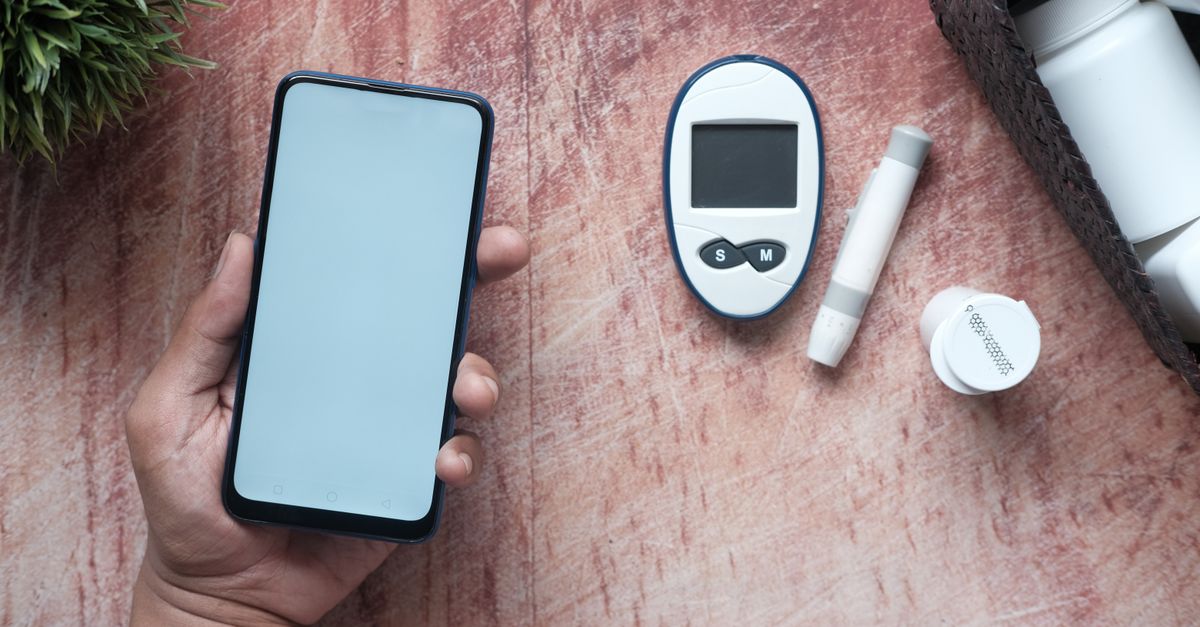
When I first stepped into a bustling clinic in Nairobi last month, I watched a nurse glance at a tiny wrist-band, tap a screen, and instantly see a newborn’s heart rhythm pulsating in real time. The device was humming on a 5G connection, and the moment the arrhythmia flashed, the doctor was already adjusting a medication drip. That glimpse of instantaneous care sparked a question that has haunted health-tech founders for years: what if every heartbeat, every glucose spike, could be delivered to a clinician as fast as the pulse itself? The answer, it turns out, is being written in the same spectrum that powers our streaming videos and autonomous cars. Below, I walk you through the technical, market, and strategic layers of this transformation, stitching together voices from the frontlines, the boardroom, and the policy arena.
Medical Disclaimer: This article is for informational purposes only and does not constitute medical advice. Always consult a qualified healthcare professional before making health decisions.
The 5G Opportunity: Why Speed & Latency Matter for Mobile Health
5G’s ultra-low latency and massive bandwidth turn mobile health from a periodic data-capture exercise into a continuous, real-time care platform. When latency drops below 10 ms, wearable ECG patches can stream raw waveforms to edge servers without perceptible delay, allowing clinicians to spot arrhythmias the moment they occur. High throughput also supports multi-sensor bundles - pulse oximetry, glucose monitors, and AI-powered imaging - all sharing a single connection without throttling each other.
Quote: "The clinical value of a heartbeat is lost if it arrives seconds after the event. 5G restores that immediacy and opens the door to predictive interventions." - Dr. Aisha Malik, Chief Medical Officer, HealthConnect
Edge computing, now co-located with 5G base stations, reduces the round-trip to the cloud, enabling on-device AI to flag anomalies before they hit the network. This architecture was unfeasible on 4G, where back-haul congestion added 50-100 ms of jitter. By pairing 5G with localized analytics, startups can offer "continuous care" subscriptions that promise not just data, but actionable insight at the point of need.
Beyond the clinic, the same speed advantage is reshaping home-based care. In a pilot in São Paulo during 2024, a cohort of 2,000 seniors used a 5G-linked fall-detection pod that transmitted vibration signatures in under 8 ms, triggering automated emergency calls before the user could even press a button. As the technology matures, the line between medical device and smart home sensor blurs, and the market is beginning to treat latency as a clinical endpoint rather than a technical footnote.
Market Landscape Shifts: Emerging Markets on the Fast Track
- 5G latency under 10 ms enables real-time vitals streaming.
- Bandwidth growth supports multi-device health ecosystems.
- Edge AI reduces reliance on centralized cloud.
Africa and Southeast Asia are leaping ahead as telecoms lay dense small-cell networks to meet consumer demand. GSMA research estimates that mobile health device penetration in Africa will rise from 4.2 % to 9 % of smartphones by 2028, driving an 18 % compound annual growth rate. This surge is fueled by affordable 5G-enabled smartphones and carrier-backed health bundles that bundle data with device subsidies.
“Mobile health device penetration in Africa is projected to rise from 4.2 % to 9 % of smartphones by 2028, driving an 18 % CAGR.” - GSMA Research
In Indonesia, telco-health partnerships have already enrolled 1.5 million users in remote monitoring programs, cutting average hospital readmission rates by 12 %. Meanwhile, Kenya’s M-Health Initiative reports that 5G-connected blood-pressure cuffs have cut clinic visit times in half, because clinicians can triage patients remotely. These concrete outcomes illustrate how 5G is not merely a speed upgrade but a catalyst for systemic health-system efficiencies in regions where infrastructure gaps have long hampered care.
What’s equally striking is the entrepreneurial surge. According to a 2024 report from the African Development Bank, venture capital flowing into 5G-enabled health startups in the continent grew by 73 % year-over-year, outpacing global averages. Investors are betting that the combination of cheap data, regulatory incentives, and a youthful, mobile-first population will create a wave of home-grown solutions that can scale across borders.
Transitioning from market statistics to real-world impact, I spoke with Amina Yusuf, co-founder of PulseVillage, a Nairobi-based startup that ships $15 pulse-oximeters pre-paired with a carrier’s 5G slice. "We saw adoption rates double in three months because the device never dropped a packet," she says. "When the data is reliable, clinicians trust the technology, and patients feel heard."
Overcoming Connectivity Bottlenecks: From 4G to 5G Reliability
Rural coverage gaps have historically stalled mobile health pilots. The transition to 5G is closing those gaps through three technical strategies. First, dense small-cell deployments bring the radio close to users, shrinking the cell radius to 200-300 meters and improving signal reliability. Second, TV-white-space spectrum sharing repurposes under-utilized broadcast frequencies, delivering deep-penetration connectivity that can reach village clinics without new tower construction. Third, hybrid satellite-5G backhaul links remote base stations to the core network, ensuring uninterrupted service even when fiber is unavailable.
Quote: "Our hybrid satellite-5G solution gave us 99.7 % uptime in the Sahel, a level of reliability that was impossible with 4G alone." - Raj Patel, VP of Innovation, TelcoX
These advances translate into measurable clinical benefits. A pilot in rural Ghana using 5G-linked pulse oximeters recorded 96 % data completeness versus 68 % on 4G, enabling early detection of hypoxia in newborns. Reliability also reduces battery drain on wearables, as devices no longer need to power aggressive retransmission protocols. The net effect is a more trustworthy data pipeline, a prerequisite for any continuous-care business model.
Beyond the numbers, the human story matters. In a remote village in northern Myanmar, a community health worker named Lin Htet now carries a 5G-enabled diagnostic kit that streams ultrasound images to a specialist in Yangon in under 12 ms. "I can show the doctor the exact picture of a pregnant belly and get advice instantly," he tells me, his voice trembling with pride. This kind of immediacy would have been a pipe dream a decade ago, and it underscores how technology can bridge geography when reliability is baked into the network.
Yet challenges remain. Spectrum licensing in some African nations still favors legacy operators, and the cost of small-cell infrastructure can be prohibitive without public-private partnerships. Analysts such as Dr. Nkem Okwu from the Institute for Digital Development caution that "without coordinated policy, the promise of ubiquitous 5G may stay confined to urban corridors." The conversation, therefore, is as much about governance as it is about hardware.
Business Models Fueled by 5G: Monetizing Continuous Care
With reliable, low-latency connections, health tech firms can move beyond one-off device sales to recurring revenue streams. Subscription monitoring packages bundle device leasing, data connectivity, and AI-driven analytics for a monthly fee, often tiered by the number of monitored parameters. Pay-per-use analytics allow hospitals to charge per diagnostic insight, turning each anomaly detection into a micro-transaction.
Quote: "Our revenue-sharing model with local clinics has lifted our annual recurring revenue by 45 % within twelve months, because the clinics see direct financial upside from reduced admissions." - Lina Gomez, Founder, MedPulse
AI-enhanced diagnostics add another layer: algorithms trained on 5G-streamed data can generate risk scores that insurers purchase as a service, creating a B2B-to-B2C loop. Additionally, carriers are eager to bundle health services with data plans, offering revenue-share agreements that reduce customer acquisition costs for startups. The combination of subscription stability, usage-based flexibility, and partner-driven distribution creates a diversified financial foundation that can scale as 5G coverage expands.
In practice, the model is already bearing fruit. A 2024 case study from Brazil’s TeleSaúde network shows that a 5G-enabled chronic-care platform generated $3.2 million in ARR after six months, primarily from bundled device-as-a-service contracts with regional insurers. Meanwhile, in Vietnam, a startup called CareLink sold a "monitor-and-pay" package to rural cooperatives, where each member pays a modest monthly fee that covers both the sensor and the data plan. The cooperative’s leader, Tran Minh, notes, "Our members stay healthier, and the cooperative saves on emergency transport costs, creating a virtuous circle."
These stories illustrate that 5G is not just a technical upgrade; it reshapes the economics of care delivery, turning what used to be a capital expense into an operational expense that scales with usage.
Regulatory & Data Governance: Navigating Cross-Border Compliance
Fast-moving 5G health ecosystems intersect with a tightening web of data-residency laws, GDPR-style encryption mandates, and 5G-specific cybersecurity standards. Countries such as Nigeria and Vietnam have introduced regulations requiring that health data be stored on servers located within national borders, forcing device manufacturers to embed multi-regional firmware that can switch storage endpoints on the fly.
Quote: "Compliance is no longer a checkbox; it’s an architectural decision that dictates how we design firmware updates and edge processing pipelines." - Dr. Elena Rossi, Head of Compliance, Philips Digital Health
5G-specific cybersecurity requirements, such as mandatory mutual authentication between devices and network slices, add another layer of complexity. However, they also create market opportunities for firms that can certify their platforms against these standards. Government-backed pilots in Brazil and Kenya now prioritize vendors that demonstrate end-to-end encryption and secure OTA (over-the-air) update mechanisms, effectively giving compliant players a competitive edge.
One illustrative case comes from a joint venture between a Kenyan telecom and a German med-tech firm. They built a dual-stack solution that routes patient data to a Nairobi-based sovereign cloud for storage, then replicates anonymized aggregates to a European analytics hub for AI training. The venture’s legal lead, James Okello, explains, "We had to redesign our firmware to be location-aware, but the payoff is a trust badge that patients and regulators alike recognize."
As more nations draft 5G-centric health policies, the regulatory landscape will continue to evolve. Companies that embed flexibility into their hardware and software stacks will find it easier to pivot, while those that rely on static, single-region designs may face costly retrofits.
Competitive Landscape: Who’s Leading the 5G Mobile Health Charge
Global giants bring brand trust and deep R&D budgets, while nimble startups exploit carrier APIs and bundled offers to win market share. Apple’s latest Watch series, equipped with a 5G modem in select regions, leverages its massive ecosystem to deliver health metrics directly to iOS Health, but its price point limits penetration in low-income markets.
Quote: "Our partnership with the local carrier gives us a native 5G slice, which means our low-cost sensor can operate reliably even in the most remote villages." - Marco Alvarez, CEO, PulseEdge
Samsung’s Galaxy Watch line follows a similar high-end strategy, emphasizing biometric accuracy and integration with Samsung Health. Philips focuses on hospital-grade monitors that now include 5G modules for rapid telemetry. In contrast, startups like PulseEdge and MedPulse embed 5G modules in affordable, single-purpose devices - such as a $25 glucose sensor - bundling data plans through carrier agreements. This dual-track approach creates a layered competitive map where brand prestige coexists with hyper-local innovation.
Another emerging contender is the Chinese conglomerate Huawei Health, which has leveraged its 5G infrastructure expertise to launch a suite of low-cost, AI-enabled wearables across Southeast Asia. While geopolitical tensions have slowed its expansion in some markets, the company’s ability to offer end-to-end connectivity - hardware, network, and cloud - places it in a unique position to undercut rivals on total cost of ownership.
From the perspective of an investor, the competitive terrain suggests a “co-existence” model: legacy players dominate premium, hospital-centric deployments, while startups capture the mass market through carrier-backed subsidies and localized service models. The real advantage, analysts argue, will belong to those who can stitch together hardware, network slices, and data-services into a seamless patient experience.
Strategic Playbook for Investors & Strategists
Investors eyeing the 5G health frontier should adopt a disciplined due-diligence checklist that balances technology readiness, regulatory compliance, and market traction. First, verify that the startup’s hardware supports network slicing, a feature that guarantees dedicated bandwidth for critical health streams. Second, assess the company’s data-governance framework - does it offer dynamic residency compliance? Third, examine partnership depth with telecom operators; co-investment models reduce customer-acquisition costs and lock in favorable back-haul rates.
Quote: "Timing the urban-to-rural rollout is crucial. Early entry in densely populated cities builds brand equity, while a later push into rural zones leverages mature 5G infrastructure for higher margins." - Sofia Ndlovu, Managing Partner, Apex Ventures
Strategists should also map exit pathways: acquisition by a telecom, IPO of a platform that aggregates device data, or a merger with a traditional medical device firm seeking a 5G foothold. By aligning investment cadence with carrier rollout schedules - often disclosed years in advance - capital can be deployed just as connectivity reaches critical mass, maximizing upside while mitigating the risk of premature technology bets.
One practical tip from venture capital veteran Rajiv Menon: "Ask startups to show a ‘slice-as-a-service’ agreement. If a carrier can guarantee a dedicated slice for your sensor, you have a defensible moat that rivals will struggle to copy."
Finally, keep an eye on policy corridors. Nations that embed health-focused incentives into their 5G licensing - such as tax breaks for low-cost medical devices or mandatory spectrum allocations for public-health services - create a fertile environment for rapid scaling. The savvy investor will track these regulatory signals as closely as they track network rollout maps.
What latency does 5G provide for mobile health applications?
Typical 5G latency falls below 10 milliseconds, which is fast enough for real-time streaming of vital signs and on-device AI inference.
How fast is mobile health device adoption expected to grow in emerging markets?